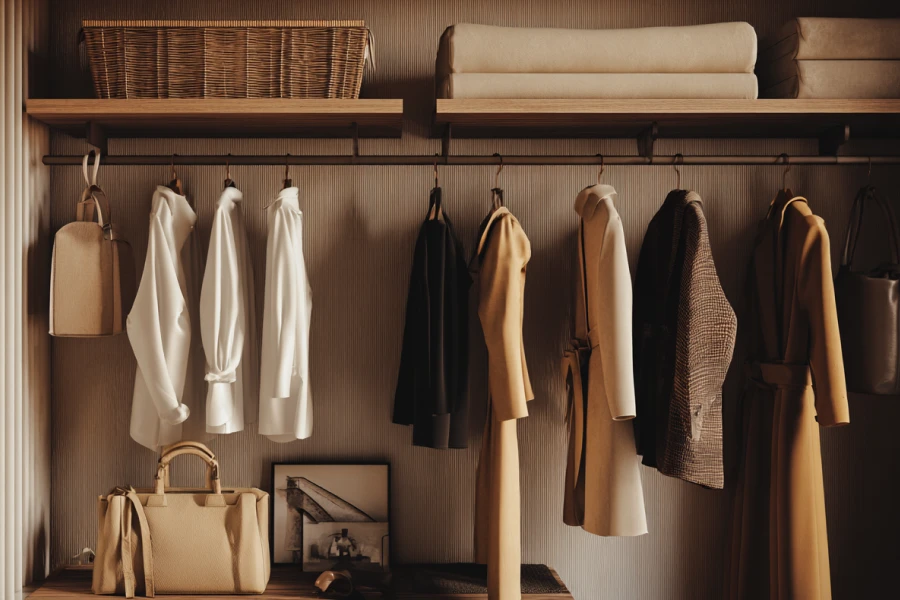
Plan outfits ahead if you want mornings to feel smoother before the day even begins. Getting dressed often becomes stressful because clothes are chosen when time is already tight. You may love your wardrobe and still feel frustrated by it. That happens when decisions, laundry, weather, shoes, and styling details all arrive at once. Planning moves those decisions into a calmer moment. Getting Dressed Feels Easier When You Plan Ahead helps turn outfit preparation into an easy weekly habit. A helpful weekly style system gives your closet more direction. A simple wardrobe prep routine keeps your favorite pieces ready. When you prepare looks early, style feels less rushed and more confident.
Mornings improve when your first wardrobe decision has already been made. You no longer need to test five outfits while watching the clock. You no longer discover wrinkled clothes, missing socks, or uncomfortable shoes at the worst moment. Planning creates a small sense of control that changes the mood of the day. It also helps you dress for what is actually happening. A presentation outfit needs different preparation than a casual errand outfit. A rainy day needs different shoes than a sunny one. Use a morning outfit checklist to catch these details early. The habit saves time, but it also saves mental energy. That is why it feels so useful.
Your calendar should guide your clothing choices before your closet does. Look at meetings, errands, social plans, workouts, school runs, travel, and quiet home days. Each event has a style requirement, even if the requirement is comfort. Once you see the week clearly, you can plan outfits that match real needs. This prevents overdressing, underdressing, and last-minute outfit regret. A closet outfit map can help connect clothes to specific days. Choose complete looks rather than loose ideas. Include shoes, layers, bags, jewelry, and weather pieces. Getting Dressed Feels Easier When You Plan Ahead makes this process practical. Calendar-based planning keeps style connected to life.
Repeatable formulas make outfit planning easier because they remove the blank-page feeling. You might choose wide-leg trousers, tucked tee, belt, cardigan, and flats. Another formula might be midi skirt, knit top, denim jacket, and boots. A more relaxed formula could be straight jeans, crisp shirt, sneakers, and a structured bag. These formulas give you flexibility without starting over. Use easy outfit formulas for work, weekends, travel, and casual days. Repeat the structure while changing color or texture. This keeps outfits fresh without demanding too much creativity. Good formulas make your style feel recognizable. They also help you understand what you actually enjoy wearing.
Weather and comfort can decide whether an outfit works in real life. A beautiful look becomes frustrating when the fabric is wrong for the temperature. Shoes matter more when the day involves walking. Layers matter when mornings and afternoons feel different. Planning ahead gives you time to check these details. It also helps you prepare alternatives before the closet panic begins. A workweek style plan should include practical comfort, not only visual polish. A relaxed getting dressed routine should leave room for real movement. Style feels better when it supports the body. Comfort does not weaken an outfit. It helps you wear the outfit with more confidence.
Planning ahead helps you see your wardrobe more clearly. You may notice which pieces appear every week. You may also notice which items you avoid repeatedly. That information is valuable. Favorite pieces show your dependable style. Avoided pieces reveal fit issues, styling gaps, or shopping mistakes. Use closet organization tips to make useful pieces easier to reach. Try capsule outfit ideas when your closet feels visually crowded. Keep your planned outfits visible on a rack, hook, or dedicated section. This makes your wardrobe feel active instead of overwhelming. A refreshed closet does not always need more clothes. Sometimes it needs better coordination.
A weekly system works best when it stays simple. Choose one planning window, ideally before laundry and errands are finished. Review your schedule. Check the weather. Select outfits for the most demanding days first. Add easier looks for relaxed days. Prepare one backup outfit for unexpected changes. Use a seasonal outfit rotation when temperatures shift. Save your favorite ready-to-wear looks in photos for future weeks. Build a small style confidence plan around outfits that make you feel capable. With Getting Dressed Feels Easier When You Plan Ahead, weekly outfit prep becomes a gentle habit that saves time and supports better style.


Leave a comment