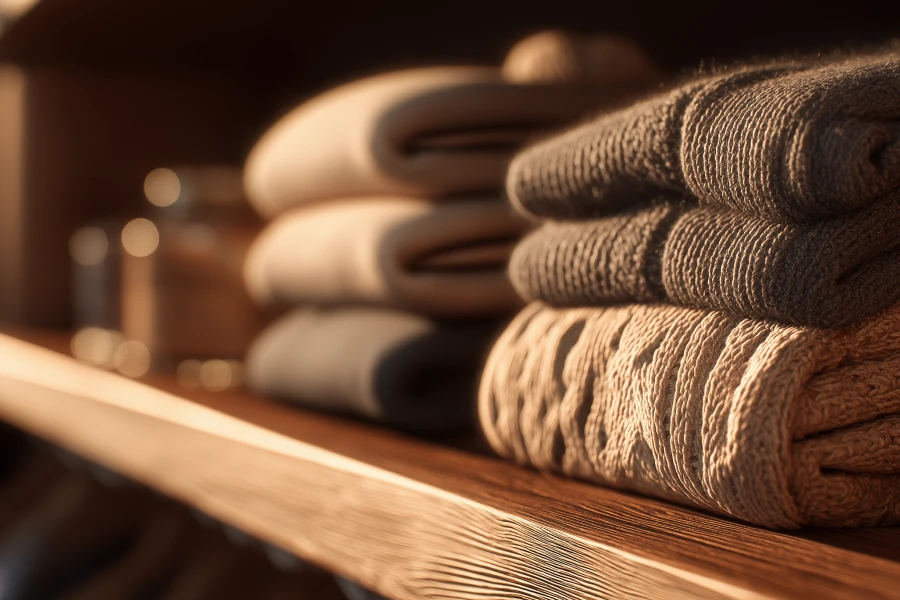
A recycle old clothes guide can help you stop seeing damaged garments as useless clutter. Many worn pieces cannot be donated because they have stains, holes, stretching, or heavy wear. That does not mean they need to go straight to the trash. The Giving Worn Clothes a Second Purpose guide shows how old clothing can become practical, creative, and meaningful again. A clothing recycling guide helps you sort smarter. A sustainable closet habit also makes wardrobe decisions feel calmer. You reduce waste. You clear space. You make better use of what you already own.
Clothing waste often builds quietly because people do not know what to do with worn pieces. A shirt may be too damaged to donate but still useful as fabric. Jeans may be faded but strong enough for a small project. Sweaters may pill badly yet still provide soft material for household use. This is where textile waste reduction becomes practical. You are not trying to save every item forever. You are learning how to choose the next best use. For more styling-focused ideas, explore creative reuse planning. A thoughtful system prevents guilt. It also makes your wardrobe feel lighter and more intentional.
Good recycling starts with honest sorting. Create separate piles for repair, reuse, textile recycling, and true disposal. Check fabric condition before deciding. Cotton tees can become cleaning cloths. Denim can become patches, bags, or craft material. Knitwear may become soft pet bedding or protective storage wraps. A closet decluttering plan helps this process stay focused. A DIY fabric reuse mindset also keeps useful material out of the bin. Work in small batches. Avoid dumping the whole closet onto the floor. You want progress, not overwhelm.
Some of the best ideas are simple. Turn soft cotton shirts into reusable cleaning cloths. Cut worn flannel into dusting squares. Use damaged towels as pet cleanup cloths. Save denim for patches, drawer liners, or sturdy craft pieces. Turn stretched leggings into hair ties or fabric bands. A zero waste wardrobe does not need to look extreme. It can begin with practical habits that fit normal life. The Giving Worn Clothes a Second Purpose guide makes these choices easier to repeat. You save money on small household supplies. You also give forgotten fabric a useful role.
Every worn garment deserves a quick decision. Repair works when the item still fits, flatters, and serves your style. Rework makes sense when the fabric is useful but the original piece no longer works. Retire the item when it has no comfortable, practical, or safe future. A damaged clothes project can turn a flawed piece into something functional. An old clothes reuse tip can also save you from buying something new. For a broader closet vision, visit thoughtful wardrobe planning. Clear decisions protect your time. They also keep your storage from filling with vague possibilities.
Long-term progress comes from building a routine. Keep one small bin for items that need repair. Keep another for fabric reuse. Schedule a monthly review before the piles grow too large. Learn basic stitching, patching, and cutting skills. Save only fabric you will realistically use. A mindful wardrobe reset should make life easier, not create another project you avoid. A sustainable fashion routine works best when it feels repeatable. The system should fit your schedule. It should also match your actual home, storage, and creative energy.
The goal is not perfection. The goal is better decisions with the clothing already in your life. Start with the most damaged pieces. Decide what can become cleaning cloths, patches, pet supplies, craft material, or repair practice. Then choose what should go to a textile recycling program if one is available near you. The Giving Worn Clothes a Second Purpose guide gives you a realistic framework for these choices. Recycle Old Clothes Guide thinking helps reduce waste without making your closet feel complicated. It turns guilt into action. It turns clutter into useful material. It turns sustainability into something you can actually do.



Leave a comment