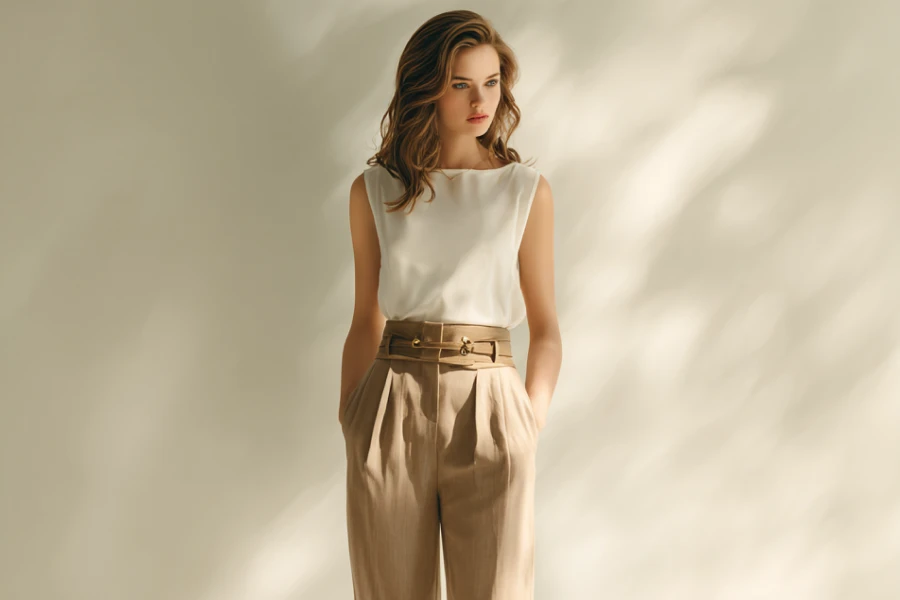
Easy wardrobe planning can make your closet feel helpful instead of demanding. Many people think better style requires more clothes, but a clearer plan often matters more. When your wardrobe has no weekly rhythm, even beautiful pieces can feel disconnected. You may forget what pairs well. You may repeat the same safe outfit. You may ignore items that only need better styling. Planning turns the closet into a practical tool. Getting Dressed Feels Easier When You Plan Ahead gives that tool a simple structure. A useful closet outfit map helps you see your best combinations. A reliable weekly style system makes getting dressed easier. The goal is not perfection. The goal is better decisions made before the rush.
Planning works because it gives every piece a clearer purpose. A blazer becomes more useful when you know three ways to wear it. A dress becomes easier when shoes and layers are already chosen. A simple sweater becomes more polished when paired with the right trousers and accessories. Without planning, clothes often stay unused because the styling decision feels unfinished. Easy wardrobe planning helps you connect pieces before morning pressure begins. It also reduces the emotional weight of having too many choices. A morning outfit checklist makes the final decision faster. You start the day with direction. That direction can improve both your style and your mood.
Core pieces are the foundation of a wardrobe that feels easy. These are the items you reach for repeatedly because they fit, flatter, and support your lifestyle. They might include straight jeans, black trousers, white shirts, soft knits, simple dresses, clean sneakers, structured flats, or a favorite jacket. Start planning with these pieces before adding trend items. Core items create stability. They also make statement pieces easier to wear. Use a wardrobe prep routine to keep them clean, visible, and ready. Getting Dressed Feels Easier When You Plan Ahead helps you build looks around what already works. A wardrobe becomes easier when trusted pieces lead the plan.
Outfit formulas help your wardrobe feel more flexible. Instead of memorizing one exact outfit, you memorize a structure. For example, choose tailored bottom, soft top, third layer, and comfortable shoe. Another formula could be dress, jacket, low heel, and simple bag. A relaxed formula could be jeans, knit, sneaker, and bold accessory. These formulas can be repeated with different colors and textures. Use easy outfit formulas to create several looks from fewer items. This makes the closet feel larger without buying more. It also helps you identify gaps more accurately. If a formula never works, the missing piece becomes obvious. Planning turns confusion into useful information.
Busy weeks need outfits that support your schedule, not just your style goals. Look at your calendar before pulling clothes. Notice which days need comfort, polish, layers, movement, or quick changes. Prepare the most demanding outfits first. Then build simpler looks around easier days. A workweek style plan can reduce decision fatigue when your calendar feels full. A calmer getting dressed routine can protect mornings from becoming chaotic. Planning also helps with laundry timing. If a key piece is needed on Thursday, you know before Thursday morning. This simple awareness prevents many wardrobe frustrations. Busy weeks feel easier when outfits are ready before you need them.
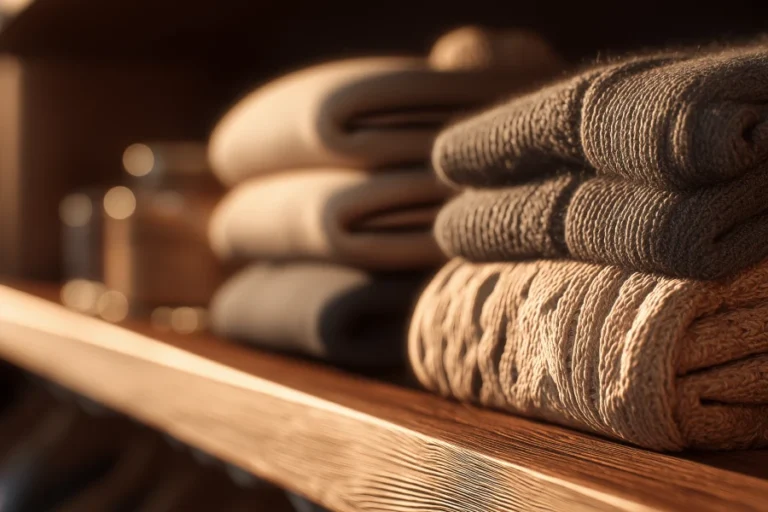
Wardrobe planning can reveal clutter more clearly than a general cleanout. When you build outfits, you quickly see which pieces earn their space. Some items work with many looks. Others never quite fit your life. Some need tailoring. Some need better shoes. Some no longer reflect your style. Use closet organization tips to separate reliable pieces from uncertain ones. Try capsule outfit ideas when you want fewer choices with stronger results. Keep planned outfits easy to see. Store rarely used pieces away from daily favorites. This makes the closet feel quieter. A quieter closet usually makes personal style feel stronger.
A lasting system should feel light enough to repeat. Choose one day each week to review outfits, weather, events, and laundry. Build looks for your busiest days first. Photograph successful outfits so you can reuse them later. Create one emergency outfit that works when plans change. Use a seasonal outfit rotation so your closet stays current. Keep a small group of ready-to-wear looks for rushed mornings. Add a style confidence plan for days when you need extra polish. With Getting Dressed Feels Easier When You Plan Ahead, easy wardrobe planning becomes a supportive routine instead of another task.



Leave a comment