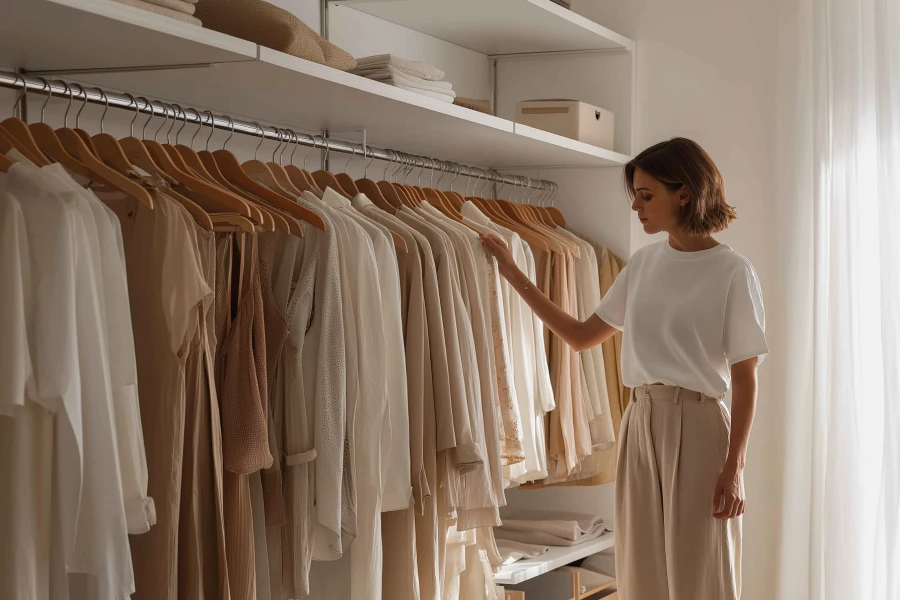
An outfit planning guide helps getting dressed feel calmer, faster, and more intentional. Many mornings become stressful because decisions happen too late. You open the closet, scan too many options, reject half of them, and still feel unsure. The issue is rarely a lack of clothes. The issue is a lack of structure. Getting Dressed Feels Easier When You Plan Ahead turns that daily pressure into a simple system. A clear weekly style system helps you prepare looks before the week begins. A practical morning outfit checklist also keeps choices focused. When outfits are planned early, your closet starts working with you instead of against you.
The best planning starts by removing unnecessary decisions. Morning energy is limited, especially before work, school drop-off, errands, or appointments. Choosing clothes under pressure can make even good pieces feel wrong. A prepared look protects your mood before the day becomes demanding. It also helps you notice what actually fits your schedule. One day may need polished comfort. Another may need easy layers. Another may need shoes that work for walking. A closet outfit map helps match clothing to real plans. This makes your wardrobe feel more useful. You stop relying on rushed inspiration and start relying on smart preparation.
A good plan should fit the wardrobe you already own. You do not need to buy a new closet before organizing your outfits. Start by identifying pieces you wear often and trust easily. These items usually reveal your real style better than pieces kept for imaginary occasions. Pull out reliable jeans, trousers, dresses, sweaters, shirts, jackets, and shoes. Notice which combinations already work. Then build from those outfits instead of starting from scratch. Getting Dressed Feels Easier When You Plan Ahead helps you create a wardrobe prep routine that feels realistic. Real planning respects laundry, weather, comfort, and your actual calendar. That is why it lasts longer than a perfect-looking fashion mood board.
Outfit formulas make planning faster because they give your clothes repeatable structure. A formula could be trousers, soft knit, loafers, and simple jewelry. Another could be jeans, fitted tee, blazer, and ankle boots. A casual formula might include leggings, oversized shirt, sneakers, and a clean tote. These combinations reduce guesswork while still leaving room for personality. Use easy outfit formulas to prepare looks for different moods and responsibilities. Keep three or four formulas visible until they become natural. Then adjust colors, textures, and accessories for variety. Planning becomes less about inventing something new every morning. It becomes about choosing from trusted style paths.
Work outfits and weekend outfits both deserve planning, but they need different levels of polish. A workday may require structure, comfort, and reliable shoes. A weekend may need flexibility, washable layers, and relaxed pieces that still feel intentional. Instead of separating your closet into strict categories, think about your life categories. Create looks for meetings, errands, casual dinners, travel days, home office days, and social plans. A workweek style plan can handle professional mornings. A softer getting dressed routine can help on slower days. Planning ahead prevents weekend outfits from becoming careless. It also prevents work outfits from feeling stiff and disconnected from your real style.
Planning outfits also teaches you what your closet is missing. You may notice that you have many tops but few reliable bottoms. You may find several statement pieces but not enough simple layers. You may discover that shoes are the reason certain outfits never work. These insights are useful because they reduce random shopping. Use closet organization tips to group pieces by function, not only by type. Place complete outfits together when a busy week is coming. Try capsule outfit ideas when your closet feels too crowded. Intentional planning makes your existing clothes feel fresher. It also helps you buy fewer pieces with better purpose.
A lasting plan should be simple enough to repeat every week. Choose a planning day, check your calendar, review the weather, and build outfits around real events. Prepare accessories, shoes, and outerwear at the same time. Keep one backup look ready for surprise changes. Use a seasonal outfit rotation so the system stays useful through changing temperatures. Save favorite ready-to-wear looks for repeat weeks. A small style confidence plan can also remind you which outfits make you feel strongest. With Getting Dressed Feels Easier When You Plan Ahead, planning becomes less about control and more about giving yourself easier mornings.


Leave a comment